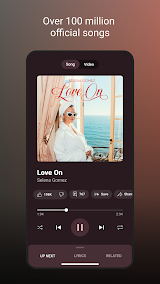
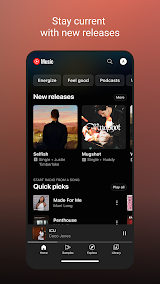
The biggest pitch, however, is that they come wonderfully wrapped together in a bow. In fact, whereas music videos seem an afterthought for Spotify — and exist behind their very own tab solely hidden away underneath the innumerable tracks from hundreds of artists that reside on its platform — YouTube Music permits you with a faucet in your finger to disable audio-only or hear (and watch) the official video. That gives it a much more immersive experience — you can stream live performances that the internet just doesn’t have. The platform also uses user uploaded content, so you can get covers & fan remixes and deep cuts bringing a more "complete" feel to the library.
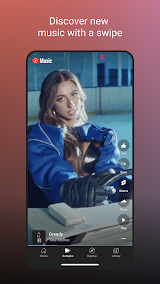
The library really does feel more massive than the competition. You both have more than 100 million songs on offer but YouTube Music has versions you are looking for, like live takes or radio edits that are often harder to find (bylaw certain obscure tracks gone from playlists some years ago). The Samples tab — which is similar to TikTok movie shorts, giving you previews of the track in vertical video form — also doubles as a strangely efficient discovery tool.
Being able to upload my own music collection is great too! It is this feature that almost led to my consideration of canceling Spotify. YouTube Music allows you to upload up to 100,000 tracks from your own local music collection and they live alongside official releases in your library and playlists. This makes the service feel less like a rental of access, and more owning an entire music library.
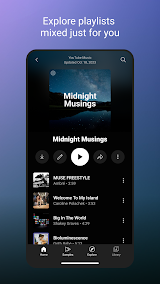
The greatest annoyance is that AI-produced audio fills tips. That has really become a massive problem. And many users say that playlists populated by autoplay and "mix" are more often filled with generic AI-generated tunes from mysterious, reclusive "artists," churning out 50 new songs every day.
YouTube Music is a great option with its own flavor, especially the one-click videos integration and big user-uploaded library + also supporting your tracks upload capabilities. More of a finesse, as it is best served by setting expectations for the APP in order to appreciate exploration and titillation over fidelity.








 Install Latest APK
 Check historical versions