The first thing to say is that Fortnite still has this feeling of engagement at its core that makes it different from other games in the genre. Combining flexible building mechanics with traditional shooting creates an incredibly variable and strategic gaming experience. Amongst other things, Fortnite allows players to freely build defensive buildings — high platforms and combat bunkers in the middle of a gunfight unlike most hard-lined shoot-em-up games. This design pot makes any firefight full of unknowns, and players can customize exclusive combat tactics based on their own operating habits.
At the same time, many of its mode settings make sure that it has a ton to play with. The Creative mode enables players to create maps, puzzle levels, competitive arenas and theme-based interactive scenes from scratch creating an entire ecosystem of player generated content. The game is constantly updated with crossover collaborations, classic seasonal events and limited-time gameplay that keep the experience fresh enough to appeal well beyond its core audience of hardcore fans.
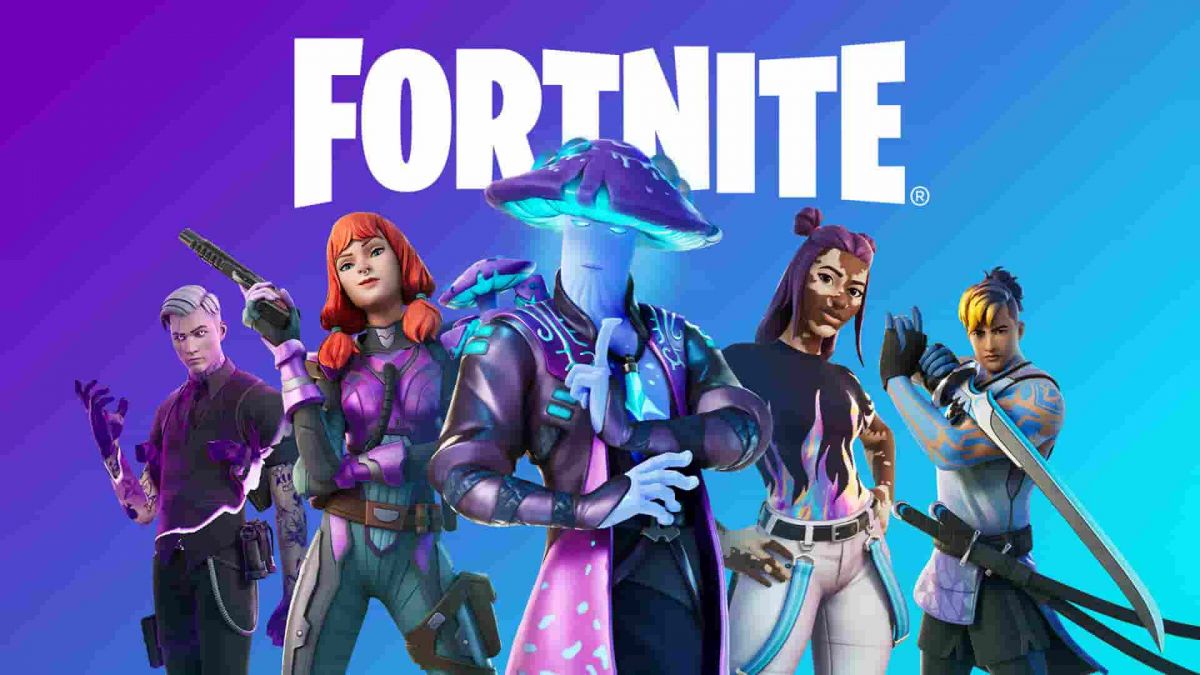
The atmosphere of the game and community experience has always been inclusive, family-friendly and (all skill levels) friendly in Fortnite over all age groups. The animated cartoon-style image, vibrant and matching sound effects coupled with diverse and interesting character skins get to the point of perfect eliminating the weightiness & bloody feeling that traditional shooting games have.
But the biggest issue is just how many bots are in normal lobbies. The sad fact is that most casual matches are uncompetitive since a large part of the bot population on both sides will have very low intelligence. It becomes ridiculously easy to win games and a big factor of earning you rewards, bucks for the rush after winning is presented far away.
In sum, Fortnite remains a polished and adaptable casual competitive title with unique gameplay as well as deep content. Very friendly to novice players and social people who pursue leisurely entertainment.








 Install Latest APK
 Check historical versions